An island looks like an easy target from the shore. You can see it, you know roughly how far away it is, and the water between you and it is usually flat enough to fool anyone. So you point the bow at it and paddle.
Two hours later, the same island can feel like a trap. The tide has turned, the wind has picked up, the beach you launched from has vanished behind a headland, and the gap you crossed so comfortably is now a wall of chop. None of it is bad luck. It is nearly always one of five mistakes, and all five are fixable.
1. Treating the tide as background noise
Tide tables tell you the height of the water. They do not tell you which way it is going or how fast, and that is the part that matters in a kayak. Streams run at different speeds around headlands, through sounds and over shallow banks, and they turn at their own times rather than waiting for high water.
Slack water is a moment, not an hour. Plan a crossing around slack, arrive twenty minutes late, and you may be pushing against a stream that has already built to a knot or more. On a two-kilometre crossing, that is the difference between a pleasant half hour and a grim hour of grinding.
Simple fixes
- Read a tide table and a tidal stream atlas or chart for the area before you go, not on the morning.
- Work out when the stream turns, and try to paddle the outward leg with the flow and the return leg with the flow.
- Look for evidence: buoys leaning, lines of disturbed water, moored boats swinging, weed and debris moving past a headland.
- If you can see the water moving, assume it is stronger than it looks from seat height.
2. Reading the wind but not the sea it meets
Wind direction matters as much as wind strength, and the two are rarely considered alongside the tide. Wind blowing against a stream stacks up short, steep waves, particularly over shallow ground. A force three that feels friendly on a sheltered loch can feel like something else when it meets two knots of tide running the other way.
Islands bend wind, too. Air accelerates around headlands and through gaps, so the sheltered side of an island can be calm while two hundred metres away it is whitecaps. Beginners often launch on the lee shore because it is comfortable, then have to come back onto it at the end of the day with tired arms and a following sea.
Plan the exit before the entry. If the wind is forecast to build from the south-west, launch from somewhere you can run home downwind, and keep the sheltered side of the island for the afternoon rather than the morning.
3. Underestimating channel crossings
A crossing is not just distance. It is time exposed to whatever the tide, wind, chop and other traffic are doing. Beginners tend to pick the shortest line on the map, which is often not the quickest line on the water.
If a stream is running across your path, you cannot simply paddle at your target. Aim up-tide and let the water carry you down onto it, or hold a ferry angle to keep your line. Both take practise, and both are far easier when you have a transit — two features lined up behind each other — to paddle towards.
Cross in a tight group rather than a straggling line. Agree who leads, who sweeps, where you regroup and what happens if someone capsizes mid-channel. Give ferries and shipping plenty of room, cross at right angles where you can, and never assume a large vessel has seen you or is able to turn.
4. Packing for the weather you hoped for
Warm, still mornings make people leave things in the car. Then the wind arrives, the sun disappears, someone goes in, and the day becomes a long, cold paddle home. Dress for immersion, not for the beach, and pack so that you can look after yourself and one other person for a few hours.
- A dry bag with a full spare set of warm clothes, kept closed until it is needed.
- Layers you can add or remove, plus a windproof and waterproof outer layer and a hat.
- Split paddles or a spare paddle on deck, a pump and a sponge.
- A towline, and know how to use it.
- Water and food you will actually eat, even on a short day.
- A means of calling for help that works where you are going, carried on your person rather than in a hatch.
- First aid kit, repair kit, whistle and a light for the trip that runs late.
- Footwear you can walk in over rocks and shingle.
Practise with your kit on land or in shallow water. A towline you have never deployed, or a spraydeck you have never refitted in a chop, is decoration. If you are new to sea kayaking, a day with a qualified coach will teach you more than months of guessing, and local clubs are usually glad to help newcomers.
5. Trying to land wherever looks easiest
Island landings are where a good day can unravel. A beach that looks smooth from half a kilometre away can be steep shingle with a dumping swell, or a rocky shelf that is fine at low water and impossible at high. Cliffs offer no exit at all.
Before you commit, stop and watch a full set of waves. Ask where the swell is coming from, what the tide is doing, and where you would end up if you missed. Pick a landing with more than one exit, and be ready to paddle past and try somewhere else. Coming in with the swell rather than across it, timing your run between sets, and keeping your hands free — paddle in hand, not camera — all help.
Islands are also somebody's home. Nesting seabirds, seals with pups and hauled-out groups are easily disturbed by a kayak that slides in too close. Keep your distance, land only where access is welcome, take everything away with you, and follow any seasonal restrictions.
A five-minute routine before you launch
None of this needs expensive equipment or years of experience. It needs a habit of looking properly before you push off.
- Check the forecast for the whole day, including when the direction changes.
- Check tide times and tidal stream directions for the hours you will be out.
- Pick a route with options: somewhere to turn back, somewhere to land, somewhere to shelter.
- Set a turnaround time and stick to it, even if the day is lovely.
- Agree signals, leadership and what happens if someone goes in.
- Leave a plan with someone ashore: where you are going, when you expect to be back, and who to call if you are not.
Do that, and an island stops being a target and becomes what it should be: a good place for a brew, a stretch of the legs and a look back at the water you have just crossed.
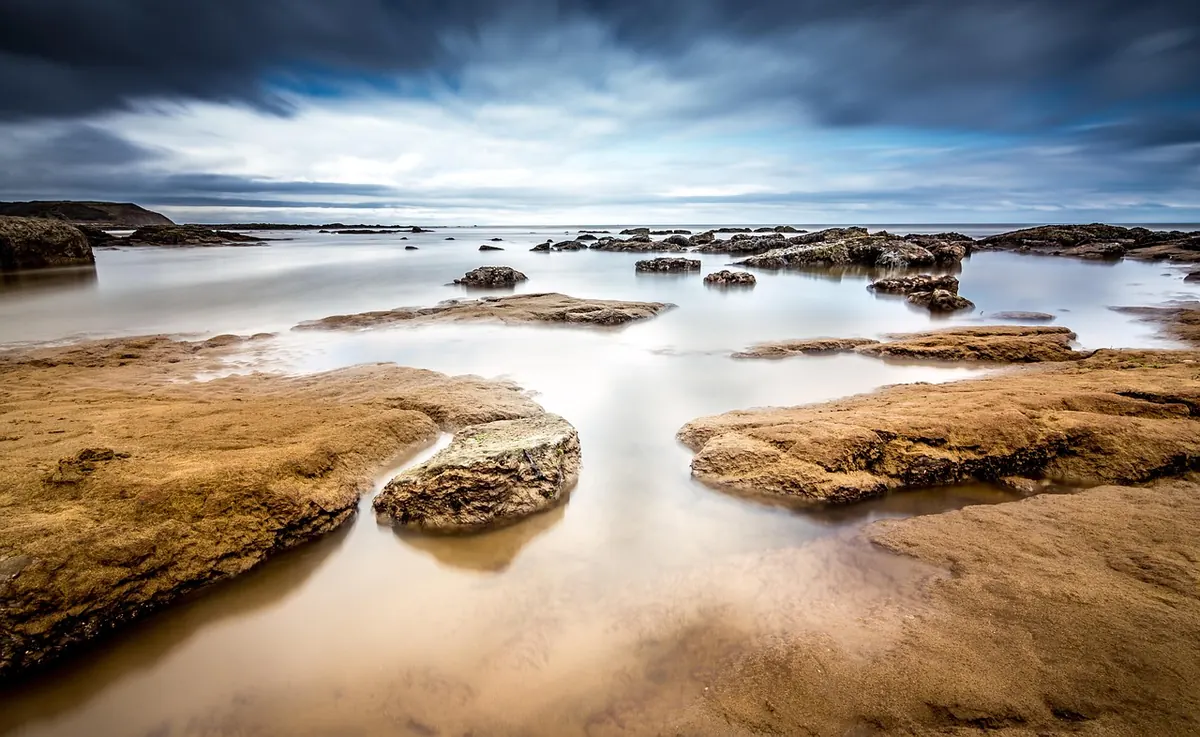
Photo: TimHill / Pixabay