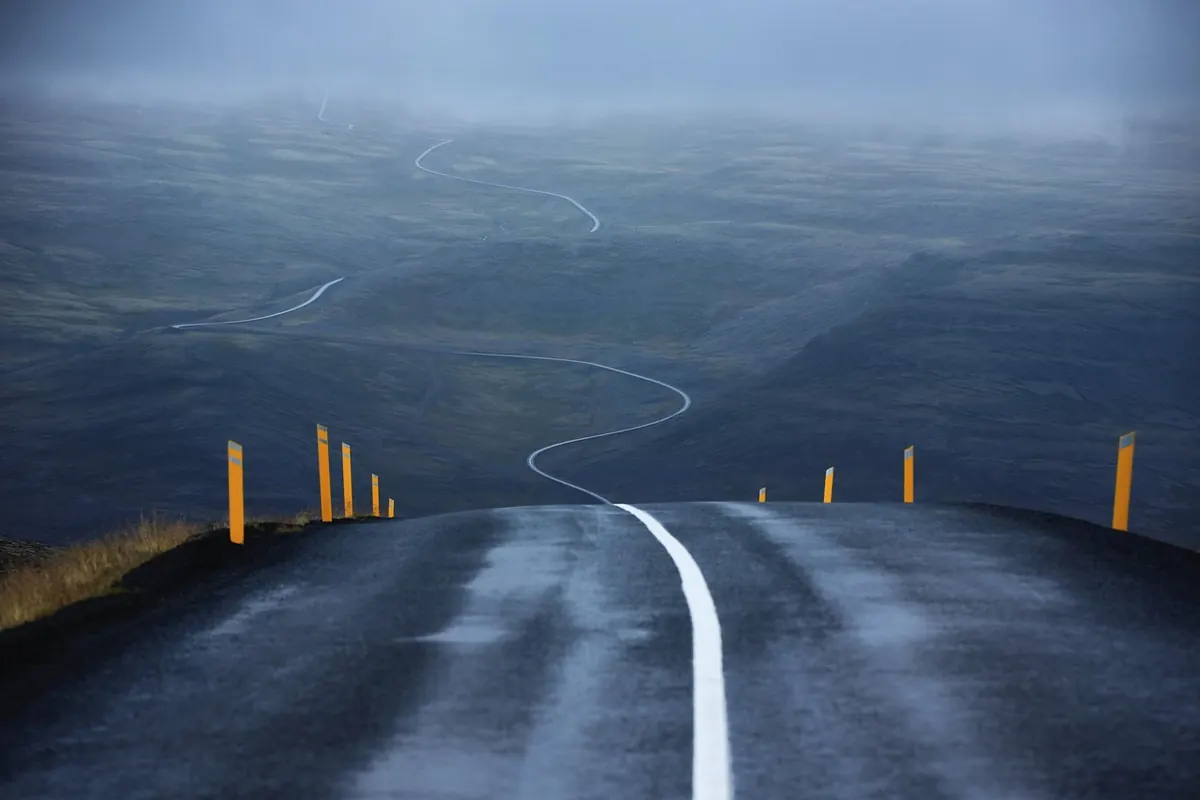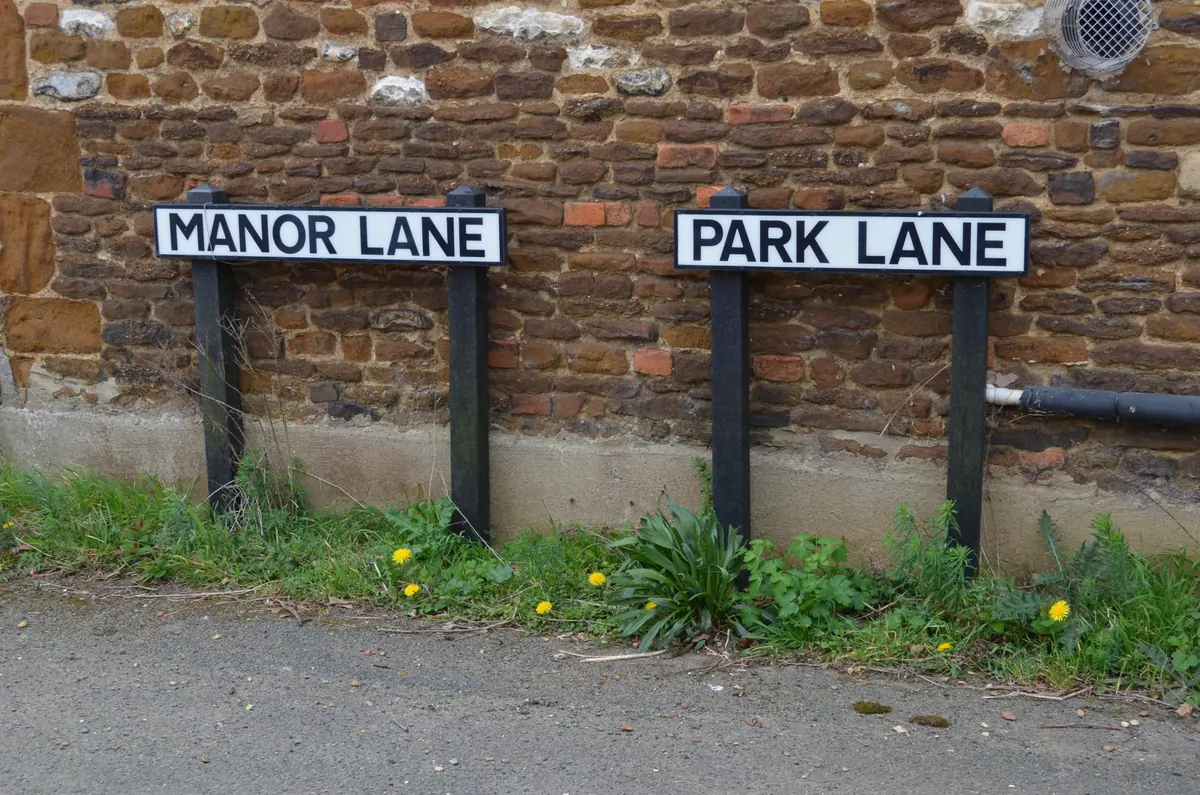
Stand at a signpost on a single-track road in the Hebrides and you are reading a sentence written in two dead languages. Most island names are descriptions: a bay that held clay, a hill where cattle grazed, a field beside a monk's cell. Nobody sat down and invented them. People used them, mapmakers spelled them as they heard them, and the sounds shifted over the centuries.
The practical upshot is that a small vocabulary goes a long way. Learn a dozen recurring elements and a map of the Scottish islands stops looking like a wall of odd words and starts reading like a set of directions.
Why the same words keep turning up
Two languages dominate island naming around Britain's north and west. Old Norse arrived with Scandinavian settlers, whose influence is heaviest in Orkney, Shetland and the Western Isles. Gaelic ran alongside it and often outlasted it across the Highlands and Islands, so Hebridean and Argyll names are mostly Gaelic in structure.
Naming is conservative. If a thing already has a name, newcomers tend to keep it or bolt their own word onto it. That is why the same handful of landscape terms appear again and again, and why a Norse bay and a Gaelic hill can sit within sight of each other.
Norse building blocks
Norse names are usually compounds: a description plus a landscape word. The landscape word tells you what kind of feature you are looking at, which is exactly what you want from a map.
- -ay, -ey, -a — island, from ey. Orkney, Sanday, Hoy.
- -voe — a bay or inlet, from vágr. A Shetland staple.
- -wick, -uig — a bay, from vík. Lerwick, Uig, Wick.
- -firth, -fjord — a long, narrow sea inlet.
- -ness — a headland or promontory, from nes. Stromness is a headland in a tidal stream.
- -ster, -bister, -setter, -sta — a farm, dwelling or shieling, from setr, bólstaðr and staðr. Very common in Orkney and Shetland.
- -holm — a small island or islet.
- -skerry — a rocky reef, from sker.
- -geo — a ravine or narrow cleft in a cliff, from gjá.
- -dale — a valley.
- Sand-, Lax-, Papa- — sand, salmon, priests. Sandwick, Laxdale, Papa Westray.
Gaelic building blocks
Gaelic tends to put the descriptor first and the feature second, so the shape is reversed: Beinn Mhòr is the big mountain, not the mountain of bigness. Watch for these.
- Beinn, ben — a mountain or hill.
- Cnoc, knock — a hill, often a rounded one.
- Càrn, carn — a cairn, or a stony hill.
- Loch — a lake inland, and on the coast a sea inlet or loch.
- Inver — a river mouth, as at Inverness or Inveraray.
- Cill, kil- — a church or monastic cell. Kilmuir, Kilbride.
- Achadh, ach- — a field or small farm.
- Eilean — island.
- Dùn, dun — a fort, often on a hilltop.
- Baile, bal- — a farmstead or township.
- Mòr, more — big; beag, beg — small.
One caution: aber, meaning a river mouth, is Pictish or Brittonic rather than Gaelic, and survives in Aberdeen and Aberfeldy. It is a reminder that the oldest layer of naming often predates both languages.
When the two languages meet
Some of the most satisfying names are hybrids, and they quietly record who was farming where. Kirkwall comes from Norse Kirkjuvágr, church bay. Stornoway is Norse for steering bay. Lerwick is clay bay. Tobermory, by contrast, is straightforward Gaelic: tobar Mhoire, the well of Mary.
You can see the seam in a single name. When a Norse farm element such as -bister or -setter is tacked onto a Gaelic saint's name, or a Gaelic eilean sits beside a Norse -wick, the odds are you are looking at a boundary between two communities that shared a coastline for generations.
Colours, sizes and small clues
Once you have the landscape words, the descriptive words add detail. Gaelic colours are worth knowing: dubh (black), glas (grey or green), dearg (red), ruadh (red-brown), geal (white). Size words do the rest, which is why so many hills are simply More — big — or Beg — small.
Old Norse adds its own shorthand. Sandr gives Sanday and Sandwick. Há, high, gives Hoy. Papar, priests, survives in Papa Westray and Papa Stour. A name that reads like a plain description of terrain is usually exactly that.
How to read a map with more confidence
A short routine will carry you a long way. Try it on any island road sign.
- Say the name aloud before you analyse it. Old spellings often hide the sound the original had.
- Split it where it stops making sense: Lax-dale, Kil-muir, Sand-wick, Ard-more.
- Find the generic term first — the landscape word — then work out the specific one in front of or behind it.
- Check it against the ground. A -voe should sit on an inlet. A dùn should sit on a knoll. A loch should be water.
- Notice where the language changes. That boundary usually follows a strait, a ridge or a coastline.
For early spellings, the Ordnance Survey Name Books and Historic Environment Scotland's Canmore records are searchable and free, and they often show a name in three or four different forms.
Treat the meanings as stories, not verdicts
Learn to say the name the way people who live there say it. Ask, listen, and write down the local version — it is usually closer to the original sound than anything on a sign. You will also hear, quite often, that a name means something entirely different from the tidy explanation you found online.
Take the etymologies with a pinch of salt. Place-name scholars disagree constantly about individual names, especially the short ones, and some meanings are genuinely lost. That is not a flaw in the exercise. It is the point: a name is a piece of evidence about how people once used the land, and the fun lies in testing it against what you can see from the road.
Photo: Neville Hawkins / Pexels